
What Challenging Behavior Is Really Telling You
A Pediatric Therapist's Guide to Looking Beyond the Behavior
Have you ever had a child completely shut down during a therapy activity?
Or maybe they threw the materials.
Refused to participate.
Ran out of the room.
Started yelling.
Or suddenly became incredibly silly and couldn’t seem to settle their body enough to participate.
Our first instinct can be to think:
“How do I stop this behavior?”
But what if we asked a different question?
“What is this behavior telling me?”
That small shift can change everything.
Behavior Is Communication
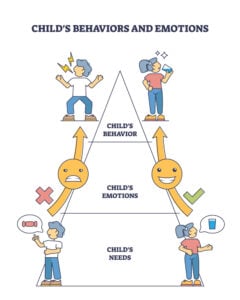
Looking Beyond Behavior
You’ve probably heard the phrase:
“Behavior is communication.”
But what does that actually mean in a therapy session?
It means that challenging behavior may be communicating something the child doesn’t yet have the skills—or ability—to communicate another way.
The behavior might be telling us:
“This is too hard.”
“I’m overwhelmed.”
“I don’t know what you want me to do.”
“I’m frustrated.”
“I need help.”
“I don’t want this activity to end.”
“I don’t know how to handle losing.”
“My body feels out of control.”
This doesn’t mean every challenging behavior has one simple explanation.
It means we should become curious before we become reactive.
Look Beneath the Behavior

When we’re in the middle of a difficult moment, it’s easy to focus on what we can see.
The child is refusing.
The child is yelling.
The child is hitting.
The child is running.
But the visible behavior is only one piece of the puzzle.
What might be happening underneath?
This is where our clinical reasoning becomes incredibly important.
And emotional intelligence gives us another lens through which to understand what’s happening.
5 Questions to Ask When Behavior Becomes Challenging
1. What Happened Right Before?

Context matters.
Did the behavior happen during a transition?
When a preferred activity ended?
When the task became more difficult?
When another child entered the room?
When the child was asked to stop doing something they enjoyed?
Look for patterns.
Sometimes the “behavior problem” isn’t random at all.
There’s a trigger.
2. What Emotion Might Be Underneath?
Anger is often the emotion we notice first.
But anger can cover other feelings.
Frustration.
Fear.
Embarrassment.
Disappointment.
Anxiety.
Sadness.
Overwhelm.
A child who screams when they make a mistake may not simply be “mad.”
They may be embarrassed.
They may be afraid of failing.
They may have difficulty tolerating mistakes.
They may not know how to manage the feeling that comes with not being successful.
Understanding the emotion underneath the behavior can help us choose a more effective intervention.
What EQ skill can I help this child develop?
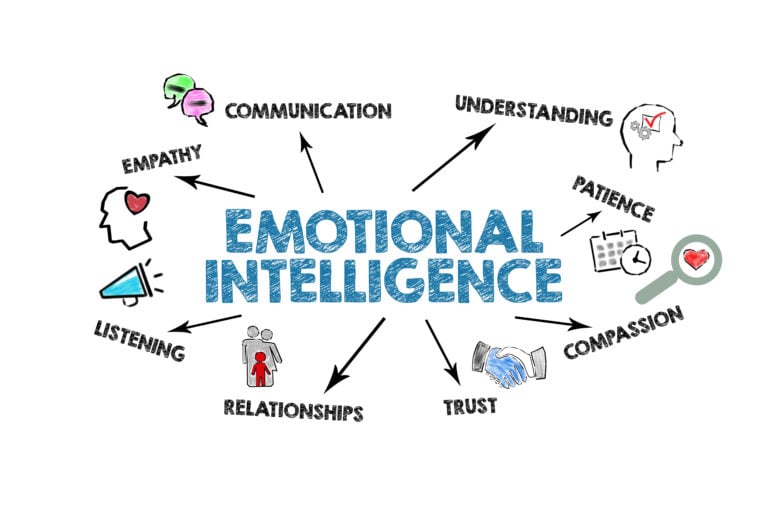
3. What Skill Is Missing?
What skill does this child need that they don’t have yet?
Maybe they need to learn how to:
- Ask for help
- Wait
- Take turns
- Tolerate frustration
- Handle disappointment
- Transition
- Identify emotions
- Communicate a need
- Use a coping strategy
- Recover from a mistake
- Think flexibly
Instead of asking:
“How do I stop this behavior?”
We can ask:
“What skill can I help this child develop?”
By focusing through another lens, this moves us from behavior management toward skill development.
This mindset shift moves us from behavior management towards helping the child develop essential emotional regulation skills.
4. Is the Child Regulated Enough to Learn?
This question is huge.
If a child’s nervous system is overwhelmed, they may not be able to process our instructions, problem-solve, or learn a new strategy.
That’s “Why Emotional Dysregulation Derails Pediatric Therapy” is such an important part of this conversation.
Click to read: Why Emotional Dysregulation Derails Pediatric Therapy
Before we can expect reasoning, we may need to support regulation.
Before we can teach a strategy, we may need to help the child feel safe.
Before we can solve the problem, we may need to help the child get back to a state where problem-solving is possible.
5. What Is My Own Response Communicating?

This one is easy to overlook.
What is my nervous system communicating to this child?
Am I becoming visibly frustrated?
Am I talking faster?
Am I giving lots of directions?
Am I taking the behavior personally?
Or am I communicating:
“You’re having a hard time, and I’m here to help you through it.”
This doesn’t mean we become permissive.
It means we recognize that our response becomes part of the child’s experience.
Your emotional responses become a part of the child's experience. What do they communicate about you?
Challenging Behavior Doesn't Mean We Remove Expectations
Let’s make an important distinction.
Looking beneath behavior does not mean eliminating expectations.
It doesn’t mean:
“The child is upset, so they don’t have to follow any expectations.”
It means we may need to change how we help the child meet the expectation.
For example:
A child can still be expected to clean up—but we may need to provide a visual, countdown, or co-regulation support.
A child can still be expected to use safe hands—but we may need to help them regulate before discussing what happened.
A child can still be expected to participate—but we may need to modify the task or provide a choice.
The expectation can remain.
The support may change.
From Compliance to Empowerment

When we focus only on behavior, our goal can unintentionally become compliance.
“I need this child to listen.”
“I need them to stop.”
“I need them to follow directions.”
But when we focus on the underlying skill, the goal becomes different.
“I want this child to recognize when they’re becoming frustrated.”
“I want them to learn how to ask for help.”
“I want them to develop strategies for handling disappointment.”
“I want them to become more flexible when plans change.”
That’s a much bigger goal.
And it’s one that can follow the child far beyond the therapy room.
Emotional Regulation Is an Occupational Performance Skill
As pediatric therapists, we think about participation all the time.
Can the child participate in school?
Can they complete self-care tasks?
Can they engage in play?
Can they interact with peers?
Can they transition between activities?
Can they manage the demands of their environment?
Emotional regulation can influence all of these areas.
That’s why I don’t see emotional regulation as something separate from occupational therapy.
It’s often directly connected to occupational performance.
When children develop emotional regulation skills, they aren’t simply becoming “better behaved.”
They’re developing skills that can help them participate more successfully in everyday life.
What If We Started Seeing Behavior Differently?

Imagine walking into a therapy session and seeing challenging behavior through a different lens.
Instead of:
“Here we go again.”
You think:
“Something is getting in the way.”
Instead of:
“Why won’t they listen?”
You think:
“Are they regulated enough to process what I’m saying?”
Instead of:
“How do I stop this?”
You think:
“What skill is this child trying to develop?”
That’s emotional intelligence in action.
And it can completely change the way we approach our work.
If you’d like to explore what an emotionally intelligent approach to pediatric therapy can look like more broadly, read “The Emotionally Intelligent Approach to Therapy”.
Click to read more: The Emotionally Intelligent Approach to Therapy
What If You Felt More Confident in These Moments?
Understanding behavior differently is a powerful first step.
But I know the next question many therapists have is:
“Okay…but what do I actually DO?”
That’s why I created The EQ Advantage.
This online course gives pediatric therapists practical, evidence-based strategies for understanding emotional dysregulation, supporting co-regulation, building resilience, strengthening emotional intelligence, and responding more confidently when big emotions show up.
Instead of improvising every time a difficult moment happens, you can develop a framework you can actually use.
LEARN MORE ABOUT THE EQ ADVANTAGE
Click Here to learn more about the EQ Advantage Course