






Play It Forward Therapy

Child Mental Health

OT Tested and Kid Approved Activities

Category: Child Mental Health

Child Mental Health Emotion Regulation Occupational Therapy Screening Checklists Social Emotional
Jessica McMurdie

Are You An Emotionally Intelligent Pediatric Therapist?

Are You an Emotionally Intelligent Pediatric Therapist? Take This 2-Minute Self-Check.
You know how to help children build skills.
But what happens when a child becomes frustrated, refuses to participate, shuts down, or completely loses it?
In those moments, your emotional intelligence (EQ) can be just as important as your clinical expertise.
Take this quick self-check.

Read More »
Child Development Child Mental Health Social Emotional
Jessica McMurdie

Why Pediatric Therapists Need Emotional Intelligence Too

Let’s be honest.
We spend a lot of time talking about children’s emotional intelligence.
How can we help children identify their emotions?
How can we teach emotional regulation?
How can we help children develop empathy?
How can we help them handle frustration, disappointment, and conflict?
These are incredibly important questions.
But there’s another question we don’t always ask:
What about our emotional intelligence as therapists?

Read More »
Child Mental Health Emotion Regulation Social Emotional
Jessica McMurdie

What Challenging Behavior Is Really Telling You

A Pediatric Therapist’s Guide to Looking Beyond the Behavior. Have you ever had a child completely shut down during a therapy activity?
Or maybe they threw the materials.
Refused to participate.
Ran out of the room.
Started yelling.
Or suddenly became incredibly silly and couldn’t seem to settle their body enough to participate.
Our first instinct can be to think:
“How do I stop this behavior?”
But what if we asked a different question?
“What is this behavior telling me?”

Read More »
Child Mental Health Emotion Regulation
Jessica McMurdie

What Is Co-Regulation? A Pediatric Therapist’s Guide

Have you ever been in the middle of a therapy session when a child suddenly becomes overwhelmed?
Maybe they’re crying.
Maybe they’re yelling.
Maybe they’re refusing everything you suggest.
Maybe they’re under the table, running around the room, or completely shutting down.
And your first thought is:
“How do I get them to calm down?”
Here’s a question that can change the way we approach that moment:
What if the child isn’t ready to calm down by themselves yet?
This is where co-regulation comes in.

Read More »
Child Mental Health Emotion Regulation Social Emotional
Jessica McMurdie

Why Emotional Dysregulation Derails Pediatric Therapy

Have you ever walked into a therapy session with a great plan, only to have the entire session go sideways because a child became overwhelmed?
Maybe the transition into the therapy room was difficult.
Maybe the activity wasn’t what the child expected.
Maybe they lost a game, couldn’t complete a task, or suddenly became frustrated—and within seconds, they were crying, yelling, refusing, running away, or completely shutting down.
And there goes the therapy plan.

Read More »
Child Mental Health Emotion Regulation Social Emotional
Jessica McMurdie

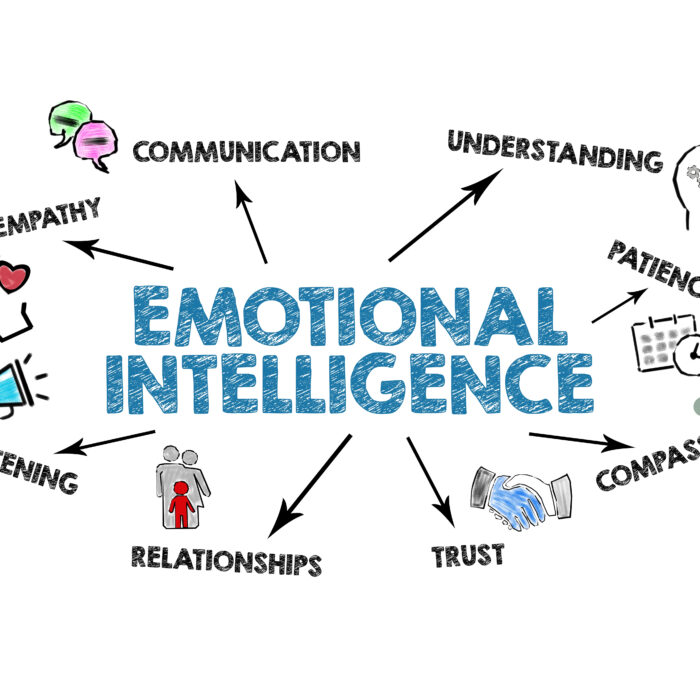
Why Emotional Intelligence is the Key to Helping Kids Thrive

Have you ever met a child who was incredibly “book smart” but struggled to make a single friend?
Or perhaps a child who can solve complex math problems but completely falls apart if they lose a game or can’t think of what to write?
Do you work with any students who consistently refuse, avoid or melt down throughout the school day?
As caregivers and pediatric occupational therapists, we often focus so much on academic success or physical milestones that we forget about the “heart” skills that actually make life work.

Read More »
Child Mental Health Emotion Regulation
Jessica McMurdie

The Emotionally Intelligent Approach to Therapy

Look Beyond the Behavior
Here’s the truth:
We can’t truly treat the whole child if we only focus on the physical task.
A child’s emotions, thoughts, sensory experiences, relationships, and environment all influence their ability to participate.
A child who refuses to write may not simply be “non-compliant.”
They may be anxious about making a mistake.
A child who becomes aggressive during a challenging motor activity may be overwhelmed by frustration.
A child who runs away from the table may be communicating that the task feels too difficult or stressful.
Behavior is communication.

Read More »